
01
Joint Stiffness
Reduced flexibility and difficulty moving a joint comfortably, particularly after periods of rest.
Arthritis can gradually influence the way people move, work, exercise, and perform everyday activities. Tasks such as climbing stairs, standing for long periods, getting out of a chair, walking comfortably, carrying household items, or participating in recreational activities may become increasingly difficult when joint stiffness and movement limitations begin affecting daily life.
Modern arthritis treatment focuses on helping individuals improve mobility, maintain physical function, support joint health, and stay active through structured rehabilitation strategies. Physiotherapy for arthritis aims to help people move more confidently while addressing movement limitations that can interfere with independence and quality of life.
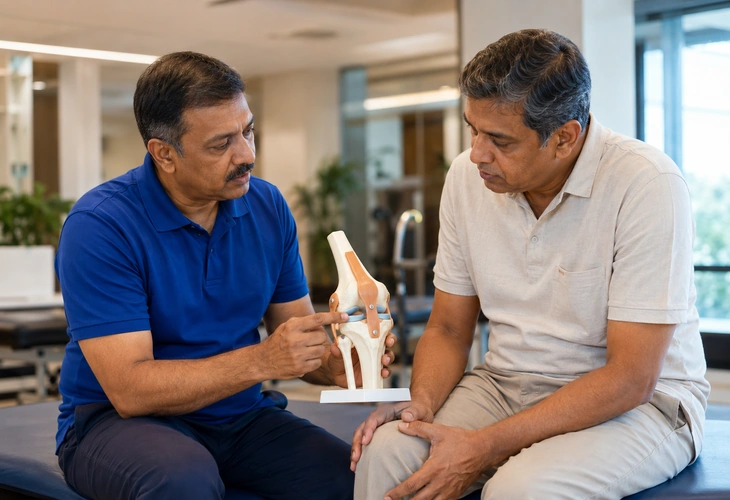
Arthritis symptoms vary between individuals and joints involved. However, several movement and function related challenges are commonly reported.
Reduced flexibility and difficulty moving a joint comfortably, particularly after periods of rest.
Difficulty performing activities that require bending, reaching, walking, lifting, or changing positions.
Challenges with maintaining normal movement patterns during work, exercise, or daily routines.
Everyday tasks may require more effort when joint function becomes limited over time.
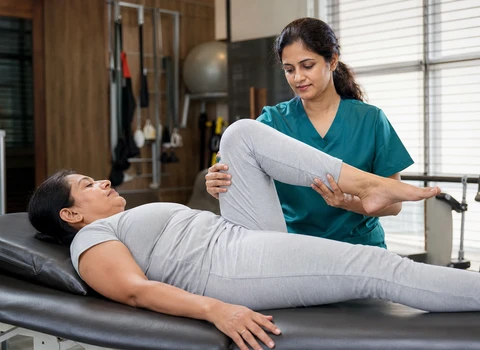
Arthritis is a broad term used to describe conditions that affect joints and surrounding structures. The impact can vary depending on the type of arthritis, the joints involved, activity demands, and individual lifestyle factors. While experiences differ, many individuals notice changes in mobility, flexibility, movement confidence, and overall physical function.
Joints play an essential role in supporting everyday movement. Walking, climbing stairs, lifting objects, exercising, reaching overhead, sitting, standing, and many other activities rely on healthy joint function. When mobility becomes restricted, people often adapt their movement patterns, which can influence overall physical performance and daily comfort.
Arthritis management often focuses on helping individuals remain active, maintain mobility, support joint function, and continue participating in meaningful activities. Physiotherapy rehabilitation is commonly used to improve movement efficiency while addressing functional limitations that may develop over time.
A detailed physiotherapy assessment typically evaluates joint mobility, movement quality, strength, flexibility, activity restrictions, and rehabilitation goals. These findings help create a structured treatment plan designed around individual needs and functional priorities.
Arthritis is not a single condition. Different forms may influence mobility, flexibility, activity tolerance, and daily function in different ways.
May influence walking, stair climbing, sitting, standing, and participation in physical activities.
Can affect mobility, balance, walking mechanics, and lower body movement efficiency.
May limit reaching, lifting, dressing, and activities requiring upper body mobility.
Can influence gripping, writing, lifting small objects, and routine daily tasks.
Arthritis can develop due to multiple biological, mechanical, and lifestyle related factors. Understanding these helps in planning better long term management strategies.
Natural wear and tear of joints over time may influence mobility and joint function.
Repetitive strain or long term stress on joints may contribute to functional changes.
Past joint injuries may increase the likelihood of future joint related discomfort or stiffness.
Limited movement over time may affect joint flexibility and overall mobility.
Poor posture and improper movement patterns may place additional load on joints.
Daily habits, activity levels, and physical workload can influence joint health over time.
Physiotherapy plays an important role in arthritis management by focusing on improving joint mobility, enhancing movement quality, and supporting functional independence in daily life. Treatment approaches are designed based on individual joint involvement, symptom patterns, and activity requirements.
Rehabilitation may include guided exercises, mobility training, flexibility work, and functional movement strategies. The goal is to help individuals stay active while improving confidence in movement and reducing functional limitations.
Instead of focusing only on symptoms, physiotherapy emphasizes long term movement improvement, helping individuals maintain independence and participate in daily activities more comfortably.

Evaluating movement restrictions and functional limitations in affected joints.
Improving flexibility and smoothness of joint movement through structured exercises.
Supporting muscles around joints to improve control and functional support.
Practicing real life movements like walking, lifting, bending and daily tasks.
Guidance on adjusting daily activities to reduce unnecessary joint stress.
Tracking improvements in mobility, comfort and daily function over time.
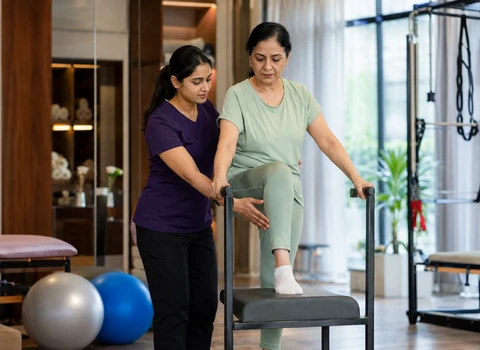
Consistent daily habits play an important role in supporting joint health and improving long term mobility outcomes when combined with physiotherapy guidance.
Regular movement helps maintain joint flexibility and supports overall mobility.
Structured physiotherapy exercises support joint strength and movement control.
Extended periods of rest may increase stiffness in affected joints.
Balancing activity and rest helps reduce unnecessary joint stress.
Arthritis refers to conditions that affect joints, leading to stiffness, reduced mobility and functional limitations.
Physiotherapy can support mobility, flexibility, strength and functional movement in individuals with arthritis.
Guided exercises help maintain joint movement and support long term physical function.
Progression varies between individuals depending on lifestyle, joint health and activity levels.
Knees, hips, shoulders and hands are commonly affected joints in arthritis conditions.
No, arthritis can also develop due to injuries, overuse and other contributing factors.
Arthritis management focuses on improving mobility, maintaining independence and supporting daily function through structured physiotherapy and movement based care strategies.