
Post Surgery Rehabilitation for Better Recovery, Mobility and Physical Function
Surgery is often an important step toward improving health, restoring function, and addressing physical limitations. However, successful recovery frequently depends on what happens after the procedure. Post surgery rehabilitation helps individuals regain mobility, rebuild strength, improve movement quality, and return to everyday activities with greater confidence.
Recovery after surgery may involve temporary weakness, reduced mobility, stiffness, balance limitations, muscular deconditioning, and difficulty performing routine activities. A structured rehabilitation program helps individuals progress safely while supporting long-term recovery goals.
Modern physiotherapy-based rehabilitation focuses on restoring movement, improving physical capacity, enhancing flexibility, rebuilding strength, and helping individuals return to normal activity levels as efficiently and safely as possible.
Understanding Post Surgery Rehabilitation
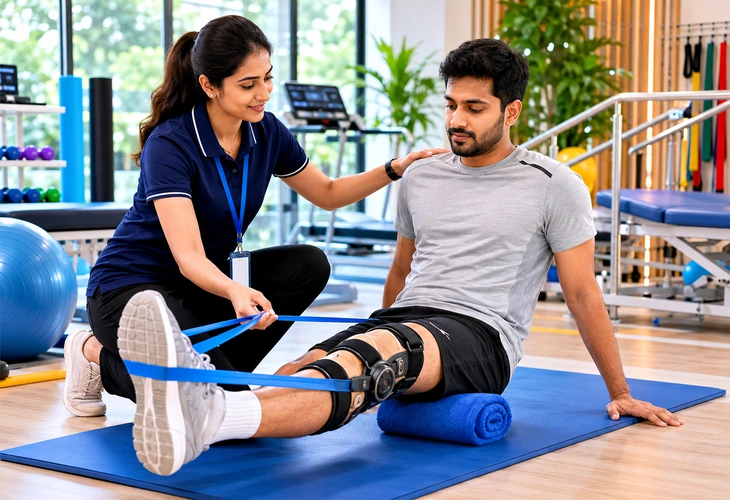
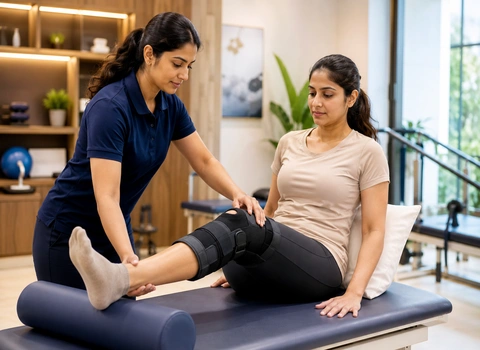
Post surgery rehabilitation is a structured recovery process designed to help individuals regain physical function after a surgical procedure. The primary goal is to restore mobility, improve strength, enhance flexibility, rebuild confidence, and support a safe return to daily activities.
Depending on the procedure performed, recovery may involve challenges such as stiffness, swelling, reduced movement, muscular weakness, impaired balance, limited endurance, and difficulty performing routine tasks. Rehabilitation programs are designed to address these challenges progressively.
Physiotherapy assessments help identify physical limitations, movement restrictions, recovery goals, and functional priorities. These findings guide the development of individualized rehabilitation strategies that support both short-term recovery and long-term physical wellbeing.
Effective rehabilitation focuses not only on healing but also on helping individuals regain independence, improve movement quality, and return to meaningful activities with confidence.
Common Procedures That Often Benefit From Rehabilitation
Rehabilitation may be recommended after many different types of surgical procedures to improve recovery and physical function.
Joint Replacement Surgery
Rehabilitation programs focused on mobility improvement, strength rebuilding, and functional recovery.
Ligament Reconstruction
Structured recovery programs designed to restore movement and physical performance.
Orthopedic Surgery
Rehabilitation strategies supporting strength development, balance, and mobility restoration.
Sports Related Surgery
Recovery programs focused on activity readiness and performance restoration.
Fracture Related Procedures
Rehabilitation designed to improve movement quality and physical function after healing.
Soft Tissue Repair Procedures
Programs aimed at improving flexibility, mobility, strength, and movement confidence.
Why Early Rehabilitation Can Support Better Recovery
Following surgery, physical activity levels often decrease significantly. Reduced movement may contribute to stiffness, weakness, decreased flexibility, and reduced physical confidence. Early rehabilitation helps address these challenges while supporting healthy recovery progression.
Rehabilitation programs are carefully designed to match the stage of recovery and physical capabilities of the individual. Gradual progression allows improvements to occur safely while minimizing unnecessary setbacks.
Mobility exercises, strengthening activities, balance training, flexibility work, and functional rehabilitation strategies help individuals regain movement quality and improve overall physical function.
A structured recovery plan provides guidance, progression, and support throughout the rehabilitation journey while helping individuals work toward meaningful recovery goals.
The Post Surgery Recovery Journey
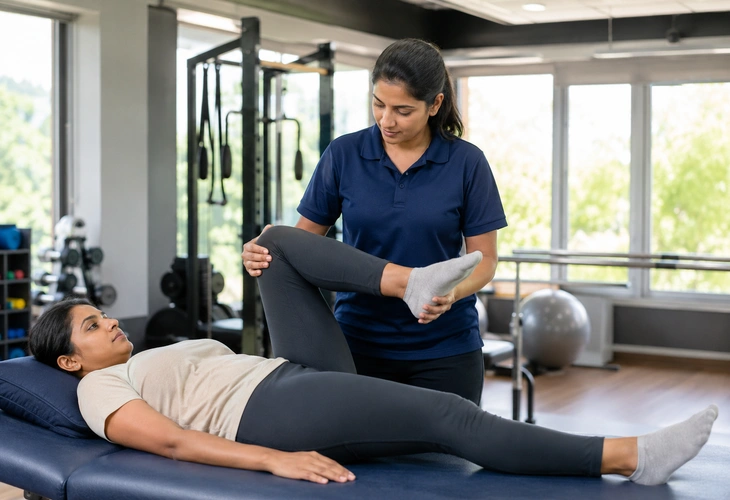
Recovery typically progresses through multiple stages, each focused on restoring movement, rebuilding strength, improving confidence, and supporting functional independence.
Initial Assessment
Evaluation of mobility limitations, strength deficits, balance challenges, movement restrictions, and recovery priorities.
Early Recovery Phase
Gentle movement strategies and rehabilitation exercises focused on restoring mobility and promoting functional recovery.
Strength Rebuilding
Progressive strengthening exercises designed to improve physical capacity and movement performance.
Functional Independence
Rehabilitation focused on helping individuals return to everyday activities with confidence.
Restoring Mobility After Surgery
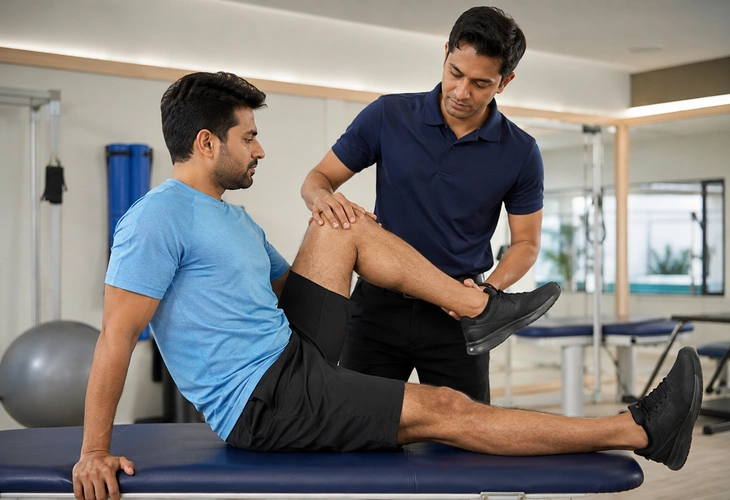
Mobility restoration is often one of the earliest goals of rehabilitation. Limited movement can affect walking, balance, daily activities, physical confidence, and overall recovery progress.
Rehabilitation programs frequently include controlled mobility exercises, flexibility training, movement retraining, and functional activities that help improve movement quality while supporting recovery.
Improved mobility often contributes to better physical function, greater independence, enhanced confidence, and more comfortable participation in daily activities.
Progressive rehabilitation allows movement improvements to occur safely while respecting healing timelines and individual recovery requirements.
Benefits of Post Surgery Rehabilitation
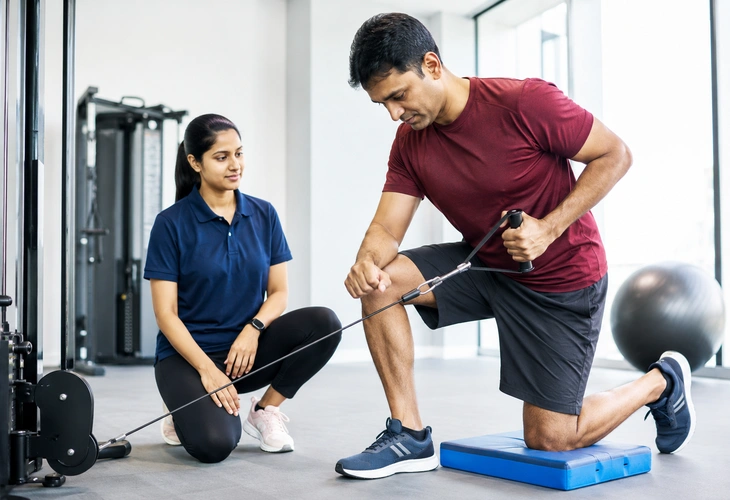
Strength Rebuilding Supports Long-Term Recovery
Following surgery, periods of reduced activity often lead to muscular weakness and decreased physical capacity. Strength rebuilding is therefore an important component of many rehabilitation programs.
Progressive strengthening exercises help restore physical function, improve movement efficiency, enhance stability, and support confidence during activity.
Rehabilitation programs typically progress according to recovery milestones, physical tolerance, and functional goals. This structured approach helps individuals rebuild physical resilience while supporting long-term recovery success.
Stronger muscles contribute to improved movement quality and help support everyday activities, recreational pursuits, and physical independence.
Core Components of Post Operative Rehabilitation
Effective rehabilitation combines multiple recovery strategies to address mobility limitations, strength deficits, balance challenges, and functional goals.
Mobility Exercises
Activities focused on restoring movement quality and joint mobility.
Strength Development
Progressive exercises that help rebuild physical capacity and support recovery.
Balance Training
Exercises that improve coordination, stability, and movement confidence.
Flexibility Improvement
Stretching and mobility activities designed to improve movement comfort.
Functional Rehabilitation
Recovery strategies focused on daily activities and physical independence.
Activity Restoration
Progressive rehabilitation supporting return to normal movement demands.
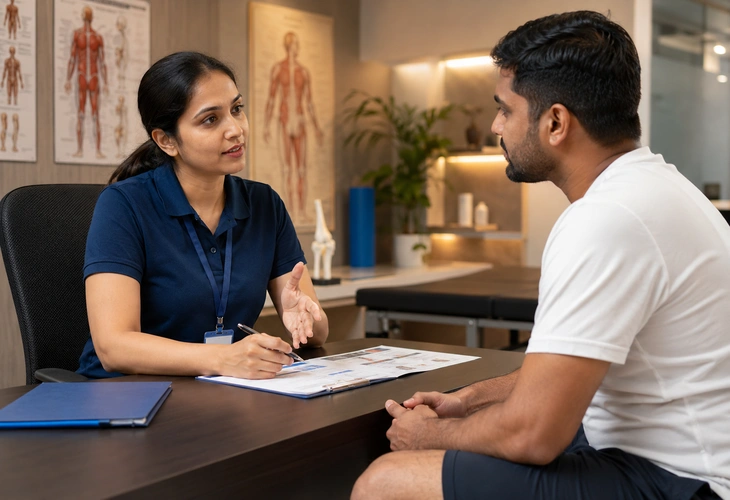
Personalized Rehabilitation Plans Support Better Recovery Outcomes
Every surgical procedure, recovery journey, and rehabilitation goal is different. Factors such as age, activity level, physical condition, lifestyle demands, mobility limitations, and long-term objectives all influence the rehabilitation process.
Personalized rehabilitation plans allow recovery strategies to be tailored according to individual needs. This approach helps ensure that exercises, mobility training, strength development, and functional rehabilitation activities remain appropriate throughout the recovery process.
Individualized programs often support more efficient progress while helping individuals achieve meaningful recovery goals and return to important daily activities with confidence.
Recovery plans can evolve as physical function improves, ensuring rehabilitation remains aligned with changing abilities and recovery milestones.
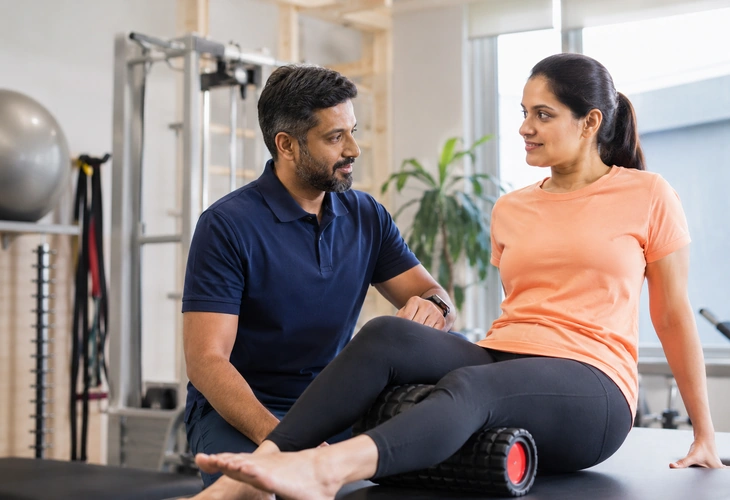
Long-Term Recovery Extends Beyond Initial Healing
Successful recovery involves more than simply healing after surgery. Long-term rehabilitation focuses on restoring physical capacity, improving movement quality, rebuilding confidence, and maintaining functional independence.
Continued participation in rehabilitation activities may help improve physical resilience, support mobility, enhance strength, and encourage long-term movement health.
Recovery goals often evolve over time, progressing from basic mobility to improved physical performance, activity participation, and lifestyle independence.
Structured rehabilitation provides ongoing support throughout this progression, helping individuals continue building toward their long-term recovery objectives.
Long-Term Benefits of Structured Rehabilitation
Consistent rehabilitation helps support recovery while promoting long-term physical wellbeing and functional independence.
Better Movement Quality
Improved movement mechanics can support safer and more efficient physical activity.
Improved Confidence
Rehabilitation helps individuals regain trust in their physical abilities.
Greater Physical Independence
Improved function supports participation in everyday activities and responsibilities.
Stronger Physical Capacity
Strength and endurance improvements contribute to long-term recovery success.
Frequently Asked Questions About Post Surgery Rehabilitation
What is post surgery rehabilitation?
Post surgery rehabilitation is a structured recovery process designed to restore mobility, strength, balance, flexibility, and functional independence after surgery.
Why is physiotherapy important after surgery?
Physiotherapy helps support recovery by improving movement quality, rebuilding strength, and assisting individuals in returning to everyday activities.
How long does post operative rehabilitation take?
Recovery timelines vary depending on the procedure performed, physical condition, rehabilitation goals, and individual progress.
When should rehabilitation begin after surgery?
Rehabilitation timing depends on the procedure and recovery recommendations provided by healthcare professionals.
Can rehabilitation improve mobility after surgery?
Rehabilitation commonly includes mobility exercises and movement training designed to support functional recovery.
Is strength training part of post surgery recovery?
Progressive strengthening exercises are frequently used to help restore physical capacity and movement performance.
Can rehabilitation help improve balance?
Balance training is often included to support stability, coordination, and movement confidence during recovery.
What are the goals of post surgery physiotherapy?
Common goals include restoring mobility, improving strength, increasing independence, and supporting long-term physical function.
Restore Movement, Rebuild Strength and Support Long-Term Recovery
Structured post surgery rehabilitation combines physiotherapy, mobility recovery, strength development, balance training, flexibility improvement, and functional rehabilitation to help individuals progress toward meaningful recovery goals.
Supporting Better Recovery Through Professional Rehabilitation
Post surgery rehabilitation focuses on restoring movement, improving mobility, rebuilding strength, enhancing flexibility, increasing confidence, and supporting long-term physical function. Structured rehabilitation programs help individuals progress safely while working toward meaningful recovery goals.
Through personalized physiotherapy strategies, mobility exercises, strength development, balance training, and functional rehabilitation, individuals can build a stronger foundation for recovery and long-term physical wellbeing.