
Sciatica Treatment Focused On Restoring Comfortable Movement And Everyday Confidence
Sciatica can affect much more than the lower back. For many individuals, the most frustrating part is the pain, tingling, burning sensations, or discomfort that travels through the buttock and down the leg. Everyday tasks such as sitting, walking, climbing stairs, driving, standing for long periods, or changing positions in bed may suddenly feel more difficult than they once did.
While symptoms often begin around the lower back or hip region, sciatica is commonly associated with irritation affecting the sciatic nerve pathway. Depending on the underlying cause and individual circumstances, symptoms may vary significantly from person to person. Some experience occasional discomfort while others notice persistent limitations that interfere with work, activity levels, exercise routines, and quality of life.
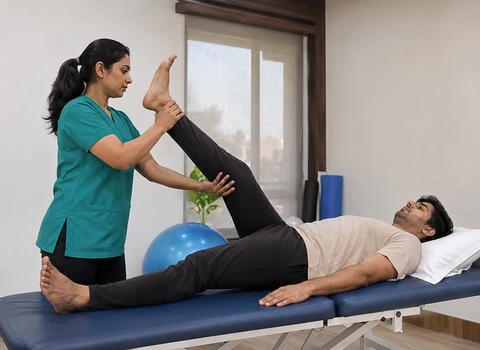
Physiotherapy for sciatica focuses on understanding why symptoms occur, how movement patterns influence recovery, and which rehabilitation strategies can help improve mobility, flexibility, physical function, and confidence during daily activities. Recovery is rarely about avoiding movement completely. Instead, it often involves learning how to move more effectively while gradually restoring normal function.
Understanding Sciatica And Why Symptoms Travel Into The Leg
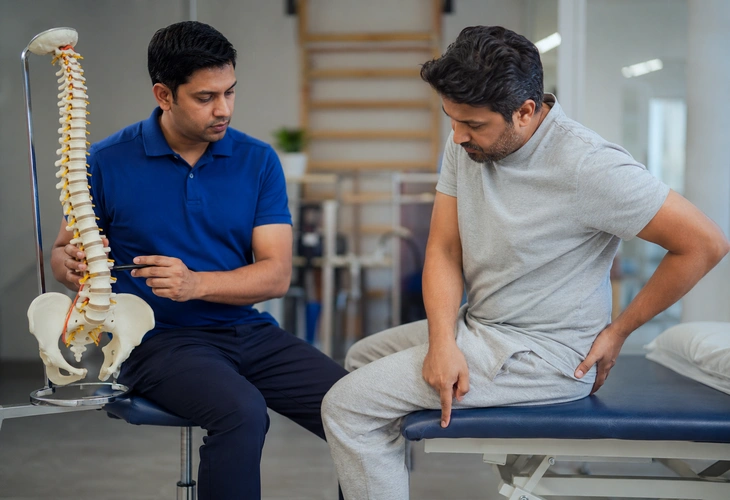
Many people assume sciatica is simply another form of lower back pain, but the condition often presents differently. One of its defining characteristics is the way symptoms can travel beyond the lower back into the buttock, thigh, calf, or foot. This pattern frequently creates confusion because the area experiencing the strongest symptoms is not always the area where the underlying issue originates.
The sciatic nerve is one of the largest nerves in the body. When structures around this pathway become irritated, compressed, or stressed, symptoms may extend into the leg and create sensations that differ from typical muscular discomfort. These symptoms can include tingling, numbness, burning sensations, radiating pain, or feelings of weakness during movement.
Every case is unique. Some individuals experience symptoms only while sitting, whereas others notice greater difficulty during walking, bending, standing, or physical activity. Understanding these movement-related patterns is an important part of physiotherapy assessment because recovery strategies often depend on how symptoms behave throughout daily life.
Rather than focusing only on temporary symptom relief, rehabilitation aims to identify contributing factors and support long-term improvements in movement quality, flexibility, posture, and physical function.
Common Signs And Symptoms Associated With Sciatica
Symptoms vary significantly depending on the cause, severity, physical condition, and daily demands of each individual.
Pain Travelling Down The Leg
Discomfort may extend from the lower back or buttock into the thigh, calf, or foot.
Tingling Sensations
Some individuals notice pins-and-needles type sensations affecting parts of the leg.
Numbness
Changes in sensation may occur in specific areas depending on nerve involvement.
Difficulty Sitting
Extended sitting periods may aggravate symptoms in certain individuals.
Walking Discomfort
Symptoms may become more noticeable during prolonged walking or standing activities.
Reduced Mobility
Movement confidence often decreases when symptoms repeatedly interfere with daily life.
Sciatica Often Affects More Than Physical Comfort
Persistent nerve-related symptoms can influence many aspects of daily life. Activities that once felt routine may begin requiring additional planning or modification. Sitting through meetings, driving long distances, participating in exercise programs, completing household responsibilities, or maintaining productivity at work may become increasingly challenging.
Over time, many individuals begin avoiding movements they believe might worsen symptoms. Although this response is understandable, excessive avoidance can sometimes contribute to stiffness, reduced strength, declining mobility, and increased fear of movement. These secondary changes may create additional barriers during recovery.
Physiotherapy rehabilitation focuses on helping patients understand which movements are appropriate, how symptoms respond to activity, and how gradual progression can support recovery. The goal is not simply to reduce discomfort but also to restore confidence, improve physical function, and help individuals return to meaningful activities.
Through personalized rehabilitation planning, many patients develop a clearer understanding of their condition while working toward improved movement quality and greater participation in everyday life.
The Recovery Journey For Sciatica Is Different For Every Individual
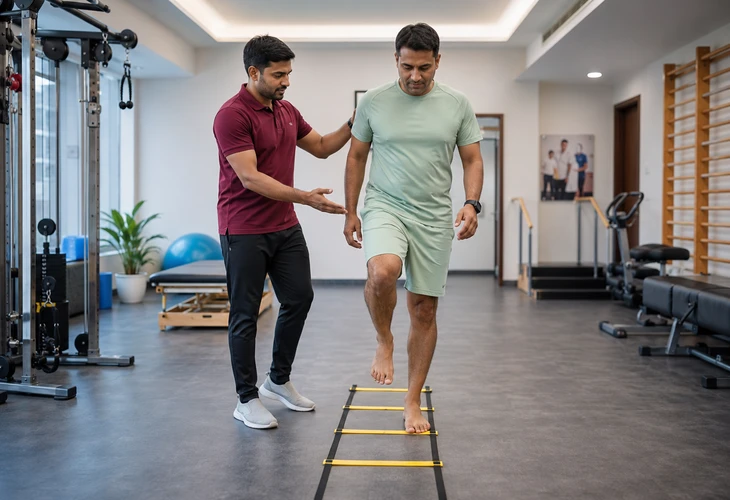
Effective rehabilitation is rarely about rushing recovery. Progress usually comes through a structured approach that addresses mobility, flexibility, movement quality, strength, and long-term physical resilience.
Detailed Assessment
Understanding symptom patterns, mobility restrictions, activity limitations, posture, flexibility, and functional goals.
Movement Analysis
Identifying positions and activities that influence symptoms and determining appropriate rehabilitation strategies.
Mobility Restoration
Progressive exercises focused on improving flexibility, movement confidence, and functional mobility.
Strength Development
Improving muscular support and physical conditioning to enhance long-term spinal health.
Functional Recovery
Returning to daily activities, work demands, exercise participation, and personal movement goals.
Physiotherapy Plays A Central Role In Non Surgical Sciatica Treatment
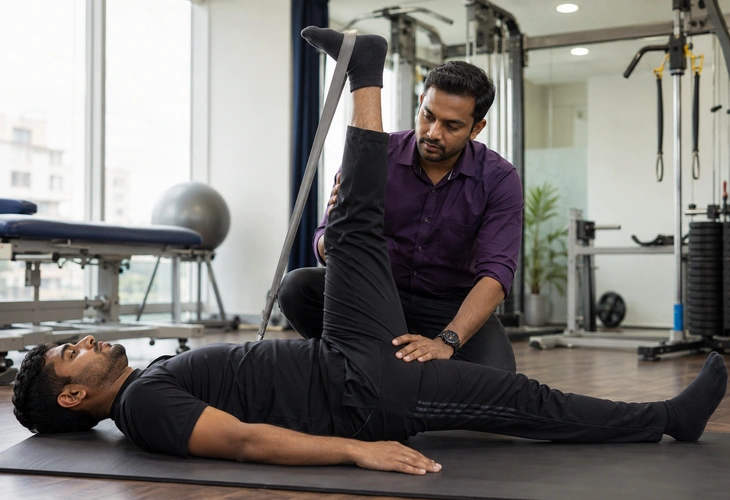
Many individuals searching for sciatica pain treatment want to understand whether recovery is possible without invasive procedures. Physiotherapy is commonly included within conservative rehabilitation strategies because it focuses on improving movement quality, addressing physical limitations, restoring function, and supporting long-term recovery.
Rehabilitation programs are designed according to the patient's symptoms, mobility restrictions, physical condition, lifestyle demands, and personal goals. Rather than following a generic exercise list, treatment plans evolve as recovery progresses and movement capacity improves.
Physiotherapy for nerve pain often includes movement retraining, flexibility work, mobility exercises, posture education, strengthening programs, and activity modification strategies that support healthier movement patterns. These components work together to help patients gradually regain confidence while remaining physically active during recovery.
The objective is to create a sustainable pathway toward improved function rather than focusing solely on short-term symptom changes.
Everyday Activities That Commonly Influence Sciatica Symptoms
Understanding how symptoms respond to movement helps guide more effective rehabilitation planning.
Prolonged Sitting
Long periods of sitting may increase discomfort for some individuals depending on posture and symptom sensitivity.
Repetitive Bending
Certain movement patterns may contribute to increased irritation when performed repeatedly.
Lifting Activities
Poor movement mechanics during lifting can place additional stress on spinal structures.
Extended Driving
Remaining in one position for long durations may aggravate symptoms in some cases.
Reduced Physical Activity
Avoiding movement completely can sometimes contribute to stiffness and reduced mobility.
Poor Postural Habits
Long-term movement patterns may influence spinal loading and physical comfort.
Restoring Mobility Is Often One Of The First Recovery Priorities
Reduced mobility is a common challenge for individuals experiencing sciatica. Fear of triggering symptoms often leads people to move less, bend less, exercise less, and gradually restrict activities that were once routine. While understandable, prolonged movement avoidance may contribute to additional stiffness and reduced physical conditioning.
Physiotherapy rehabilitation encourages safe and progressive movement based on individual tolerance levels. Mobility exercises are selected according to assessment findings and are adjusted as recovery progresses. The goal is to help patients move more comfortably while gradually rebuilding confidence in their physical abilities.
Improved mobility can influence many aspects of daily life including walking, sitting, standing, work activities, household tasks, recreational participation, and general wellbeing. Even small improvements in movement quality often contribute to meaningful changes in overall function.
Rehabilitation focuses on steady progress rather than aggressive intervention, helping patients develop sustainable recovery habits that support long-term outcomes.

Benefits Of A Structured Sciatica Rehabilitation Program
Small Daily Adjustments Can Support Long Term Recovery
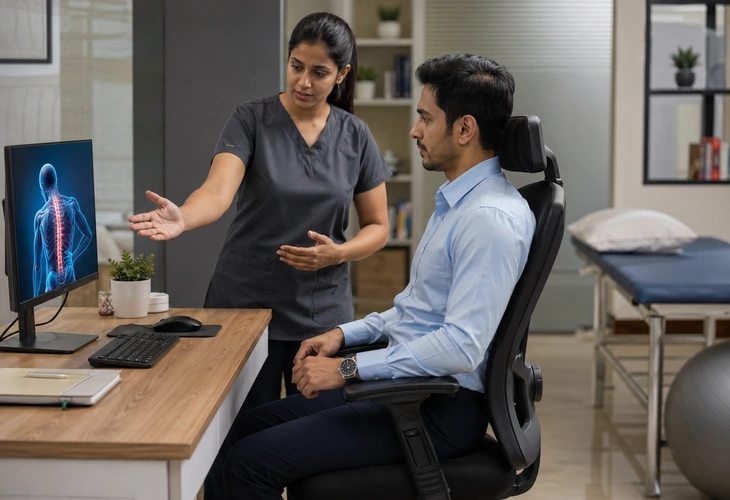
Rehabilitation does not end when a physiotherapy session finishes. Daily habits often influence how the body responds throughout the recovery process. Sitting posture, workstation setup, activity levels, lifting techniques, sleep positions, and movement habits may all affect overall comfort and mobility.
Physiotherapy education helps patients better understand how these factors interact with symptoms. Rather than creating unnecessary restrictions, the goal is to identify practical adjustments that allow individuals to remain active while supporting recovery.
Long term improvement often depends on combining structured rehabilitation exercises with sustainable lifestyle habits. This balanced approach can help individuals build resilience while improving physical function and confidence.
Understanding how to manage physical demands effectively becomes an important part of maintaining progress after symptoms begin improving.
People Who Commonly Seek Physiotherapy For Sciatica
Sciatica can affect individuals from a wide variety of lifestyles, occupations, and activity levels.
Frequently Asked Questions About Sciatica Treatment
What is sciatica?
Sciatica refers to symptoms that commonly travel along the sciatic nerve pathway and may include radiating leg pain, tingling, numbness, or movement-related discomfort.
Can physiotherapy help sciatica?
Physiotherapy is commonly used to improve mobility, restore movement confidence, strengthen supporting muscles, and support functional recovery.
How long does sciatica recovery take?
Recovery timelines vary depending on symptom severity, physical condition, rehabilitation consistency, lifestyle demands, and individual progress.
Is walking beneficial for sciatica?
Walking may be appropriate for many individuals, but recommendations depend on symptom behaviour, physical condition, and assessment findings.
Can prolonged sitting worsen symptoms?
Some individuals notice increased discomfort during extended sitting periods. Movement breaks and posture strategies are often discussed during rehabilitation.
Is surgery always required for sciatica?
Many people participate in conservative rehabilitation programs that include physiotherapy and movement-based recovery strategies.
What exercises help with sciatica?
Exercise selection depends on individual assessment findings, symptom presentation, mobility restrictions, and recovery goals.
Can sciatica return after recovery?
Long term rehabilitation often includes movement education, strengthening programs, and lifestyle strategies designed to support ongoing spinal health.
Take Positive Steps Toward Better Mobility And Reduced Sciatica Limitations
Structured physiotherapy for sciatica focuses on improving movement quality, restoring mobility, building strength, supporting nerve health, and helping individuals return to everyday activities with greater confidence.
Supporting Long Term Recovery Through Personalized Sciatica Rehabilitation
Sciatica rehabilitation is most effective when treatment addresses movement limitations, physical conditioning, flexibility, functional mobility, and long term spinal health. Through individualized physiotherapy programs, patients can work toward meaningful improvements in comfort, confidence, mobility, and overall quality of life.
By combining structured rehabilitation with practical movement education and progressive exercise strategies, individuals can develop stronger foundations for recovery while supporting healthier movement patterns in the future.